Instruction: Write 1-3 paragraphs reflecting on the readings + use as content for your first HTML homework page. Author a webpage to contain your written response. Your page must contain the following HTML Elements with closing tags ( do not copy the below - it is NOT proper syntax!!!):
- html
- head
- title
- body
- main
- img src = " ... "
We May Think - Vannevar Bush, 1945
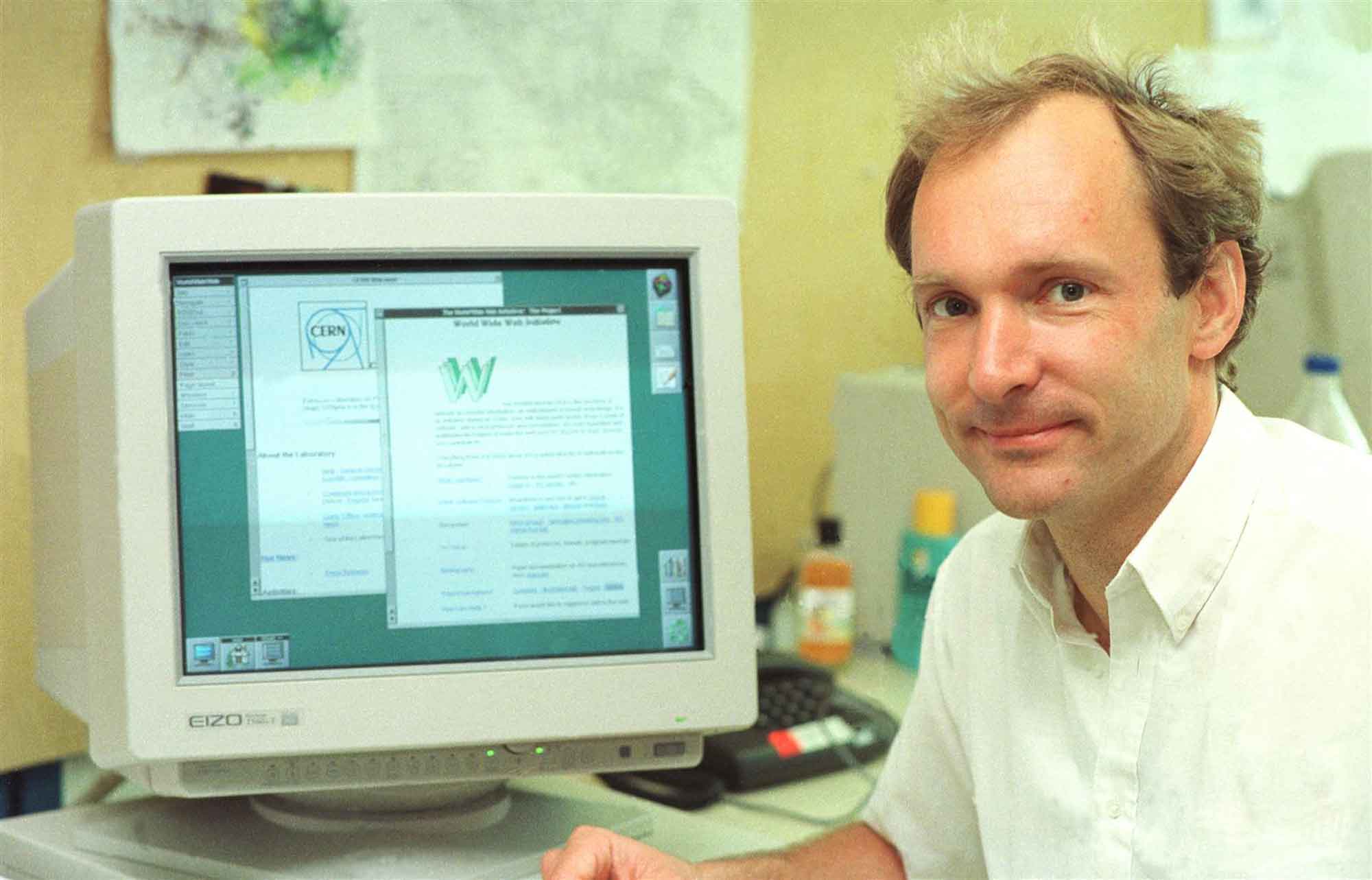
In As We Wish, author Vannevar Bush reflects on the shortcomings of technology of the time and how science’s focus should be on advancements of the mind rather than the body or outside forces. In 1945, World War II had just come to an end and a lot of the people working in technological and scientific fields were left without purpose; the war gave people working in STEM fields a common goal to work toward. But what now? Vannevar Bush notices a problem in academia - an overwhelming amount of time and brain power is being wasted on reading other’s papers, looking for information, and attempting to retain knowledge. Bush imagines a new technology in which one’s information and knowledge can be stored and accessed efficiently. This is what we now know as the internet: created in 1983 by Tim Berners-Lee.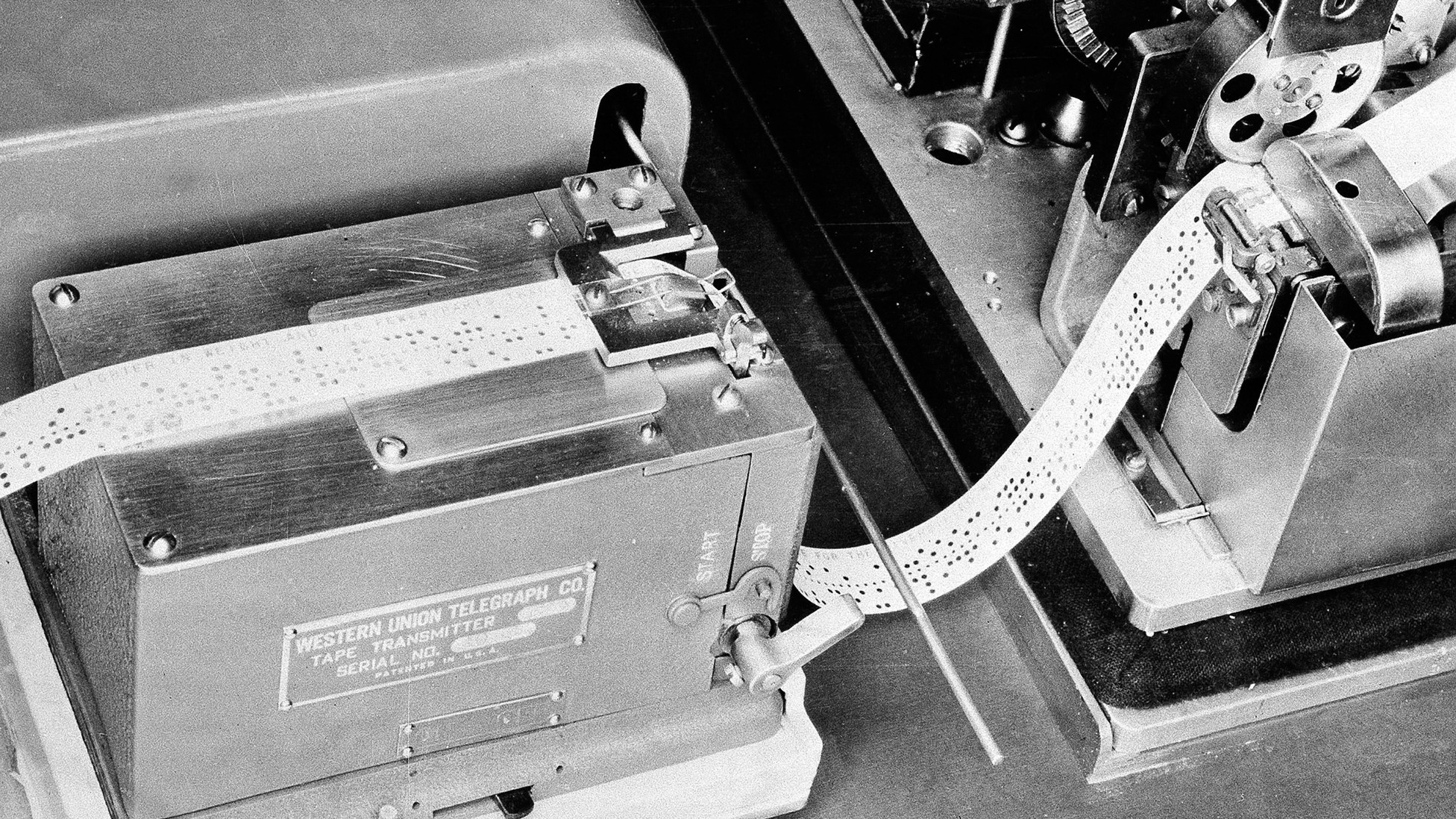
It is fascinating to me to see how accurately Vannevar Bush describes the internet and his idea for a housing for information. In retrospect, technology was further behind the ideas that it was coming up with. Bush came up with a problem and predicted the solution that came almost 40 years later. Today, I feel as though the average person cannot imagine something much greater or more complicated than what currently exists. In addition, technological advancements are increasing exponentially, making it seem like there’s nothing new to be thought about or invented. Is the rate that society is able to produce technological advancements decreasing our ability to identify and solve new problems? Does technology have a ceiling or carrying capacity?
Long Live the Web - Tim Berners Lee, 2010
In his article, Long Live the Web, Tim Berners-Lee argues that the internet is important to the democracy of society and needs to be protected. I think that this is a timely conversation as these past few years have been filled with discussions on net neutrality. As someone who is involved in social justice, I agree with Berners-Lee on the importance and democratic nature of the internet. It is becoming more and more essential, if not the norm, to have a device with quality internet access. Applying for jobs, finding housing, participating in most forms of education, and many more facets of everyday life all require access to an internet connection. From these facts alone, I believe that the world wide web is essential to the dignity of a human being in the same way that food, water, clothing, and shelter are.